Blog
Contents
The verdict
Asian Games 2026 basics: dates, host cities, sports, ticket access
Flights from Singapore to Nagoya during the Games window
Hotel cost in Nagoya and Aichi during the Games window
Transport within Japan (and whether a JR Pass makes sense)
Food and activities: what to budget in Nagoya
Event ticket costs and how to buy
When to book (and when to skip the window)
The full cost breakdown by tier (5 to 7 days, Games window)
Attending as a day-tripper from Osaka or Tokyo
Frequently asked questions
Key takeaways
Disclaimer
Blog
Japan Asian Games 2026 (Nagoya + Aichi) Trip Cost from Singapore: The Full Budget for the September to October Window

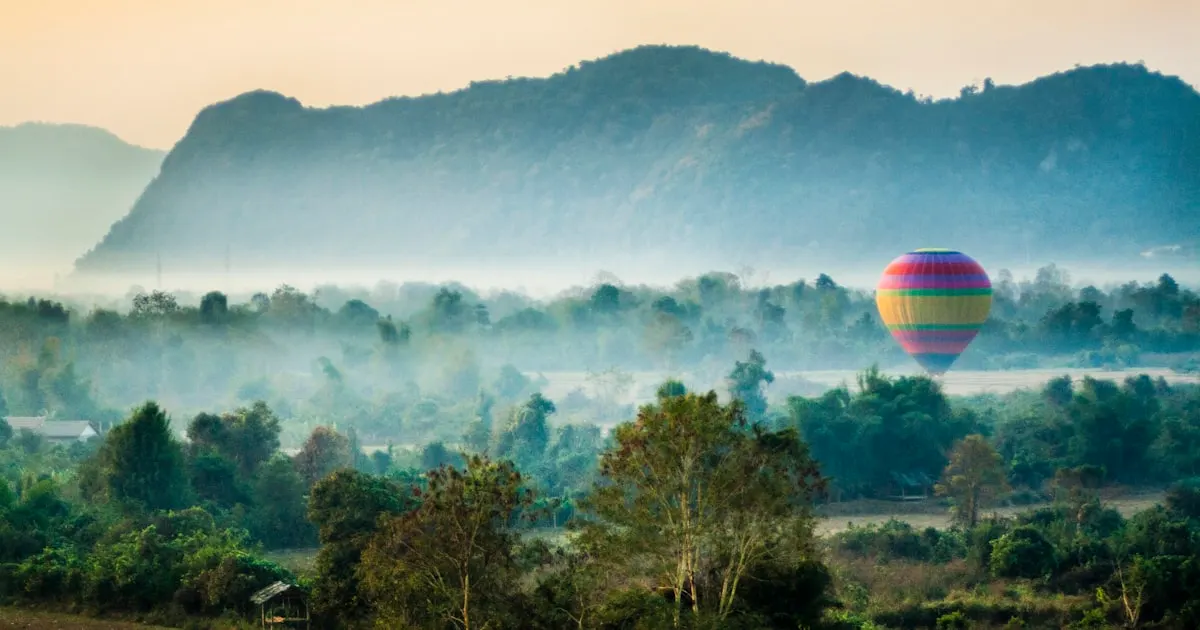
A realistic, itemised trip cost for Singaporean travellers heading to the 2026 Asian Games in Nagoya and Aichi Prefecture from September 19 to October 4, 2026. Covers flights, hotels, JR Pass timing, event tickets, and when to attend as a day-tripper from Osaka or Tokyo.
The 2026 Asian Games ran in Nagoya and Aichi from September 19 to October 4, 2026, so price your Games-window trip from Changi, then book your flights and hotels through ShopBack before you pay, where ShopBack Cashback works like a discount, only easier than a promo code. The Games have now finished. This guide sets out what a Games-window trip from Changi cost, and the Nagoya and Aichi pricing, transport and food notes still apply to a trip there now; outside the Games window, expect hotel prices closer to the normal rates quoted in each section.
The verdict
For Singaporean travellers who attended the 2026 Asian Games in Nagoya and Aichi between September 19 and October 4, 2026, a 5 to 7 day trip cost roughly SGD 2,500 to 4,000 per person mid-range, SGD 1,600 to 2,500 lean, or SGD 4,900 to 9,400 luxury. Return economy flights, Nagoya-area accommodation at Games-window rates, transport within Aichi, food, and entry-level event tickets to two or three sessions are included. Finals-level tickets, extended JR Pass usage, and Tokyo or Osaka side trips are extras.
💡 Plan your Japan Asian Games trip with Cashback on ShopBack
Run the ShopBack Travel Planner to compare flights and hotels on the same dates, then go through ShopBack before you pay on Agoda, Booking.com or Trip.com and the Cashback tracks to your ShopBack account.
Asian Games 2026 basics: dates, host cities, sports, ticket access
The 20th Asian Games ran September 19 to October 4, 2026, across Nagoya City (Aichi Prefecture capital) and multiple venues in surrounding Aichi Prefecture. Over 40 sports were contested across a broad set of competition venues, with a mix of purpose-built Games facilities and existing arenas. Confirmed prominent venues include Paloma Mizuho Stadium in Nagoya (opening and closing ceremonies plus athletics), Aichi International Arena in Nagoya (judo, basketball and other indoor sports), Toyota Stadium in Toyota City (football finals), Vantelin Dome Nagoya (baseball), and Aichi International Exhibition Center near Chubu Centrair Airport (esports and other events). The full competition calendar, complete venue list, and specific ticket categories should be verified on the Olympic Council of Asia and the Aichi-Nagoya Asian Games Organising Committee sites before locking in dates. Buy tickets only through the official channel; unauthorised resellers routinely appear ahead of major Asian sporting events.
Search Singapore to Nagoya flights and earn Cashback: Trip.com · Expedia
Flights from Singapore to Nagoya during the Games window
Chubu Centrair International Airport (NGO) is Nagoya's main gateway, roughly 40 minutes from central Nagoya on the Meitetsu Airport Line. Singapore Airlines flies direct SIN to NGO daily; ANA operates via Tokyo Narita, and Cathay Pacific routes via Hong Kong.
Normal shoulder-season fares (September to October outside Games weeks) sit around SGD 700 to 1,100 return economy on direct SIN to NGO service. During the September 19 to October 4, 2026 window, expect a demand-driven surge to SGD 1,000 to 1,600, reflecting both Games traffic and overlap with autumn foliage travel to Japan. Fare volatility is high: bookings made three to five months ahead have historically avoided the two-month pre-event climb on comparable Japan events.
The routing decision has trade-offs. Direct SIN to NGO on Singapore Airlines saves 4 to 6 hours of transit but carries the highest fare band. One-stop via Tokyo Narita (ANA) or Hong Kong (Cathay) can shave SGD 150 to 350 off return fares but extends total travel to 12 to 15 hours. For a 5-day Games trip that time cost is meaningful. Compare live fares, then go through ShopBack's Trip.com or Expedia page before you pay.
Hotel cost in Nagoya and Aichi during the Games window
Nagoya's hotel market is compact by Tokyo standards. Central Nagoya (Meieki, Sakae, Fushimi) mid-range hotels typically list at JPY 12,000 to 22,000 per night (SGD 100 to 190) in normal September and October travel. During the 2026 Asian Games window, expect a 40 to 80 percent surge across the central Nagoya pocket, driven by accreditation blocks, delegation demand, and general Games spectator inflow, in addition to autumn foliage season. That puts mid-range central Nagoya at roughly SGD 140 to 340 per night through the two weeks of competition.
Aichi region alternatives outside Nagoya City sit 20 to 40 percent cheaper across the same window. Toyota City (near Toyota Stadium) is the obvious anchor for football attendees. Okazaki (30 minutes from central Nagoya on the Meitetsu Nagoya Main Line) offers hotel supply at pre-surge rates for travellers not tied to a single Nagoya venue. Chita (near Chubu Centrair) suits arrival-and-departure-day stays and attendees at Aichi Sky Expo events. Kariya sits along the JR Tokaido Line between Nagoya and Toyota, another underpriced option.
The rational split for most 5 to 7 day trips: base outside Nagoya for the transit days and non-finals sessions, splurge on one or two nights in central Nagoya only for the finals or opening or closing ceremony days when late-night crowd flows favour proximity. Compare mid-range prices across Booking.com, Agoda, Hotels.com, and Trip.com before locking in; same room, same date, prices can move 5 to 15 percent between platforms.
Book Nagoya and Aichi hotels with Cashback: Booking.com · Agoda · Hotels.com · Trip.com
Transport within Japan (and whether a JR Pass makes sense)
Movement within Aichi Prefecture is handled by regional lines: Meitetsu (private, covers most Nagoya-to-suburbs routes including the airport), JR Chuo Line (Nagoya City to Toyota City indirectly), and the Nagoya municipal subway. All are paid via IC card (Suica, Manaca, or any nationwide-compatible card). A five-day IC card stack for local transit lands around SGD 60 to 100 including intra-Aichi day trips.
The JR Pass decision only matters if the trip extends beyond Aichi. Two common patterns:
- Nagoya-only trip (5 to 7 days, Games only): skip the JR Pass. IC card plus a Meitetsu one-day airport transit pass covers everything.
- Combined Tokyo or Osaka + Nagoya trip: add up your legs before buying the 7-day nationwide JR Pass (¥53,000 since 1 October 2026). Tokyo to Nagoya round trip costs roughly ¥22,000 and Osaka to Nagoya round trip roughly ¥13,400, so this pattern alone stays well below the pass price.
Note the 1 October 2026 price change: through overseas sales agents, the 7-day nationwide JR Pass rose from ¥50,000 to ¥53,000, and the 14-day pass from ¥80,000 to ¥84,000, mid-Games. Compare the pass against single-ticket totals before you buy.
Shinkansen seat reservations on Games days sell fast, particularly Tokyo to Nagoya and Osaka to Nagoya on finals-heavy dates. Book seats through Klook or the JR reservation system as soon as your Games ticket is confirmed, not the week of.
Book Japan tours, transit passes, and transfers with Cashback: Klook · KKday
Food and activities: what to budget in Nagoya
Nagoya has a distinct food identity beyond the usual Tokyo-Osaka circuit. Hitsumabushi (grilled eel on rice, three-way eaten), miso katsu, kishimen (flat udon), and Nagoya cochin chicken anchor the local menu. Budget SGD 25 to 40 per person per day on street food and casual chains (Ichiran, Sukiya, Coco Ichibanya, Yabaton for miso katsu), SGD 50 to 80 on a mix of teishoku sets and mid-tier izakaya, or SGD 120+ for hitsumabushi at Atsuta Horaiken or Ibashou. Convenience-store breakfasts at Lawson, FamilyMart, or 7-Eleven land around SGD 5 to 8 per person.
Non-Games activities in Nagoya and Aichi worth building around a rest day: Nagoya Castle, Toyota Commemorative Museum of Industry and Technology, Atsuta Shrine, and the SCMaglev and Railway Park. Aichi day trips include Inuyama Castle, Ise Grand Shrine (via limited express, roughly 90 minutes from Nagoya), and Gujo Hachiman if pushing into neighbouring Gifu. For tours and attraction tickets, go through the Klook or KKday page on ShopBack before you pay.
Event ticket costs and how to buy
Ticket pricing for the 2026 Asian Games is published in tiers. Entry-level session tickets for pool rounds, preliminary rounds, and lower-attention sports start from around JPY 2,000 (roughly SGD 17 to 19). Higher-demand sports and semi-finals start from around JPY 8,000. Finals in marquee sports (athletics, swimming, gymnastics, baseball) start from around JPY 15,000 and climb depending on seat category. Opening and closing ceremonies command the top pricing tier. Verify the current published price and category on the official Asian Games 2026 ticketing portal before purchase.
Tickets are sold through the official ticketing channel operated by the Aichi-Nagoya Asian Games Organising Committee under the Olympic Council of Asia. Buy only from the official channel and any explicitly authorised international resellers. Two practical points for Singapore buyers: passport verification and payment via international card are typically required, and finals-round tickets historically sell out within the first pre-sale window on comparable Asian Games events.
When to book (and when to skip the window)
For flights to a major event: three to five months ahead of departure, before the typical two-month pre-event fare climb.
For central Nagoya hotels during a major event window: as early as possible, ideally two months or more ahead for finals-week stays. Delegation and accreditation blocks lift meaningful supply out of the public inventory. Aichi-region alternatives outside Nagoya City remain workable at two to three months out.
For event tickets: buy the moment your target sport opens for public sale on the official channel. Higher-demand sports and finals go first.
For travellers who are not going for sport, late October to early November 2026 gives similar autumn weather with better foliage, cleaner hotel supply, and no Games surcharge. Early January to early February 2027 is Japan low season for Singapore travellers wanting Nagoya, Ise, and central Japan without peak pricing.
Compare Japan flight + hotel packages with Cashback: Expedia · Luxury Escapes
The full cost breakdown by tier (5 to 7 days, Games window)
| Category | Budget (SGD) | Mid-Range (SGD) | Luxury (SGD) |
|---|---|---|---|
| Return flights (SIN to NGO) | 900 to 1,200 | 1,100 to 1,400 | 1,400 to 2,000 |
| Accommodation (4 to 6 nights) | 400 to 700 | 700 to 1,200 | 1,800 to 3,800 |
| Transport within Aichi + Japan | 60 to 120 | 150 to 350 | 350 to 700 |
| Food (5 to 7 days) | 130 to 220 | 280 to 450 | 700 to 1,400 |
| Event tickets (2 to 4 sessions) | 60 to 150 | 200 to 450 | 500 to 1,200 |
| SIM, misc, buffer | 50 to 100 | 80 to 150 | 150 to 300 |
| Total per person | 1,600 to 2,490 | 2,510 to 4,000 | 4,900 to 9,400 |
Flights and accommodation together typically account for 60 to 70 percent of the total for a Games-window trip, higher than a normal Japan trip because both surge in the window. Event ticket totals vary widely: two entry-level sessions cost roughly SGD 40 to 100 combined; two finals tickets in marquee sports easily land at SGD 400 to 800 combined.
Attending as a day-tripper from Osaka or Tokyo
The alternative structure worth considering: base outside Aichi entirely. Tokyo to Nagoya Shinkansen runs 1 hour 40 minutes at roughly ¥11,000 one-way; Osaka (Shin-Osaka) to Nagoya runs 50 minutes at roughly ¥6,700 one-way. For travellers with only two or three ticketed sessions across the two-week window, basing in Tokyo or Osaka at normal room rates and Shinkansen-in on Games days can undercut a full Nagoya stay by SGD 400 to 900 depending on hotel tier.
Practical constraints: last Shinkansen back to Tokyo departs Nagoya around 21:20 to 22:00 depending on service; Osaka last services run slightly later. Finals-day sessions ending after 22:00 rule out same-day return; book one Nagoya night for those and day-trip the rest.
Frequently asked questions
How much does a trip from Singapore to the 2026 Asian Games in Nagoya cost?
For a Singaporean travelling to the 2026 Asian Games between September 19 and October 4, 2026, a 5 to 7 day trip cost roughly SGD 2,500 to 4,000 per person mid-range, SGD 1,600 to 2,500 on a lean budget, or SGD 4,900 to 9,400 for luxury. Return flights, Nagoya-area accommodation during the Games surge, transport within Aichi, food, and entry-level event tickets are included.
When are the 2026 Asian Games and where are they held?
The 2026 Asian Games (20th Asian Games) ran from September 19 to October 4, 2026 across Nagoya City and Aichi Prefecture, Japan. Over 40 sports were contested across venues in the Aichi region including Paloma Mizuho Stadium (opening and closing ceremonies plus athletics), Aichi International Arena, Toyota Stadium (football finals), and Vantelin Dome Nagoya (baseball). The Games have now finished.
How much are flights from Singapore to Nagoya during the Asian Games?
Return economy Singapore to Nagoya (Chubu Centrair, NGO) usually sits at SGD 700 to 1,100 in the September to October shoulder. During the 2026 Asian Games window that range was expected to surge to SGD 1,000 to 1,600 given demand for direct SIN to NGO service and overlap with autumn foliage travel. Full-service carriers Singapore Airlines direct and ANA or Cathay via a hub are the main options; booking three or more months ahead is the practical play.
Should I stay in Nagoya City or elsewhere in Aichi during the Games?
Central Nagoya (Meieki, Sakae) is the natural base but hotels in that pocket were expected to run 40 to 80 percent above normal September and October rates during the Games window. Aichi region alternatives such as Toyota City, Okazaki, Chita, and Kariya are typically 20 to 40 percent cheaper and sit within 30 to 60 minutes of most venues via Meitetsu and JR Chuo lines. Compare across Booking.com, Agoda, Hotels.com, and Trip.com before locking in.
Do I need a JR Pass for a Nagoya + Aichi Asian Games trip?
Only if you plan to add a Tokyo or Osaka leg. Movement within Aichi Prefecture is handled by regional Meitetsu, JR Chuo, and city subway lines, all paid via IC card at a fraction of a Shinkansen pass cost. If your itinerary is Tokyo to Nagoya or Osaka to Nagoya plus a Kyoto side trip, add up your legs first: the 7-day nationwide JR Pass costs ¥53,000 since 1 October 2026, and a Tokyo to Nagoya round trip (roughly ¥22,000) plus an Osaka round trip usually stays below that.
How much are Asian Games 2026 event tickets and where do I buy them?
Entry-level session tickets for pool rounds and early rounds are published to start from around ¥2,000 (roughly SGD 17 to 19). Higher-demand sports and semi-finals start from around ¥8,000, and finals in marquee sports from around ¥15,000, climbing depending on sport and seat category. Tickets are sold through the official Asian Games 2026 ticketing channel run by the Aichi-Nagoya Asian Games Organising Committee under the Olympic Council of Asia. Buy only through the official channel.
Can I attend the Asian Games as a day trip from Osaka or Tokyo?
Yes, and this is a practical hedge if Nagoya-area hotel supply prices you out. Shinkansen Tokyo to Nagoya runs around 1 hour 40 minutes at roughly ¥11,000 one-way; Osaka to Nagoya runs around 50 minutes at roughly ¥6,700 one-way. Base in Tokyo or Osaka at normal room rates, day-trip on ticketed days, and skip the Nagoya hotel surge. Book Shinkansen seats in advance via Klook or the JR reservation system.
When should Singapore travellers book flights and hotels for the 2026 Asian Games?
For a major event window in Nagoya like the Games: flights three to five months ahead of departure. Hotels in central Nagoya: as early as possible, ideally two months or more ahead for finals-week stays. Aichi-region hotels outside Nagoya: two to three months out is usually still workable. Event tickets: buy the moment your target sport opens for public sale on the official channel.
When is it better to skip the Asian Games window and visit Nagoya later?
If sport is not the reason for the trip, late October to early November 2026 gives similar autumn weather with better foliage, cleaner hotel supply, and no Games surcharge. Early January to early February 2027 is Japan low season for travellers who want Nagoya, Ise, and central Japan without peak pricing.
How can I earn Cashback on flights, hotels, and tours for the Asian Games from Singapore?
ShopBack Singapore partners with the main platforms used for a Japan trip from Changi. For flights, go through ShopBack's Trip.com or Expedia page before you pay. For hotels, go through ShopBack's Booking.com, Agoda, Hotels.com or Trip.com page before you pay. For tours and transit passes, do the same with Klook or KKday. For flight and hotel packages, use Expedia or Luxury Escapes. Rates vary by store and change often; check the live rate on each store's ShopBack page.
What is the exchange rate and daily food cost to plan for in Nagoya in September and October 2026?
SGD 1 buys approximately JPY 110 to 115 in 2026, and daily food spend in Nagoya is broadly in line with Tokyo. Budget SGD 25 to 40 per person per day on street food and casual chains, SGD 50 to 80 on a mix of teishoku sets and mid-tier izakaya, or SGD 120+ for hitsumabushi eel dinners and named tempura restaurants. Convenience-store breakfasts at Lawson, FamilyMart, or 7-Eleven land around SGD 5 to 8 per person.
Key takeaways
- A mid-range 5 to 7 day Games trip from Singapore between September 19 and October 4, 2026 cost roughly SGD 2,500 to 4,000 per person
- Nagoya hotels surge 40 to 80 percent in the window; staying in Toyota City, Okazaki, Chita, or Kariya cuts accommodation cost 20 to 40 percent with 30 to 60 minute transit to venues
- Skip the nationwide JR Pass for a Nagoya-only trip; with Tokyo or Osaka legs, add up single tickets first, since the pass costs ¥53,000 from 1 October 2026
- Buy event tickets only through the official Asian Games 2026 ticketing channel; entry-level sessions start around ¥2,000, finals start around ¥15,000
- Day-tripping from Osaka (50-minute Shinkansen) or Tokyo (1 hour 40 minutes) is a workable hedge for travellers with only two or three ticketed sessions
- If not attending the Games, shift the trip to late October to early November 2026 for equivalent autumn weather without the surcharge
💡 Plan your Japan Asian Games trip through ShopBack and earn Cashback
Disclaimer
The views and recommendations expressed in this article are those of the author.
Prices, rates, promotions, and availability are subject to change. Please verify details directly with the relevant providers before making any decisions.
Event schedules, venues, ticket categories, and pricing for the 2026 Asian Games should be verified against the Olympic Council of Asia and the Aichi-Nagoya Asian Games Organising Committee official channels before booking.
This article is intended for general informational purposes only and should not be considered professional, financial, or travel advice.
Add ShopBack Extension
Install the browser extension for auto coupons and cashback reminders.
Download ShopBack App
Get the app to earn cashback and manage rewards on mobile.
 Scan QR or download below

Related articles
Can You Bring a 20,000mAh Power Bank on Scoot in 2026?
Yes, a 20,000mAh power bank is allowed on Scoot in 2026: about 74Wh, under the 100Wh limit. Carry-on only, no in-flight use. SIA and AirAsia compared.
Travel Insurance Singapore 2026: NTUC vs FWD vs Allianz vs MSIG vs Singlife Compared
Is FWD travel insurance good value in Singapore in 2026? FWD's Premium, Business and First plans, annual cover and optional add-ons, compared with Income Insurance, Allianz, MSIG and Singlife by trip type.
Flights Singapore to Tokyo 2026: Cost, Booking Window, Airline
Singapore to Tokyo flights in 2026: real return fare ranges for budget and full-service carriers, the best booking window, and which airlines to use depending on your priorities.
Klook vs KKday for Japan Activities: Which is Actually Cheaper for Singaporeans?
Is the JR Pass cheaper on Klook? JR sets the price (JPY 50,000 online, JPY 53,000 via overseas agents for 7 days), so here is what Klook and KKday change for Singaporeans in 2026, plus tours, passes and attractions compared.
Shop, book trips, and play games to earn Cashback
No points, no credits. Just real cash. Withdraw to Paypal or bank account, and spend however you like.