Blog
Ryokan vs Hotel in Japan: Which to Book and When for a Singapore Trip in 2026

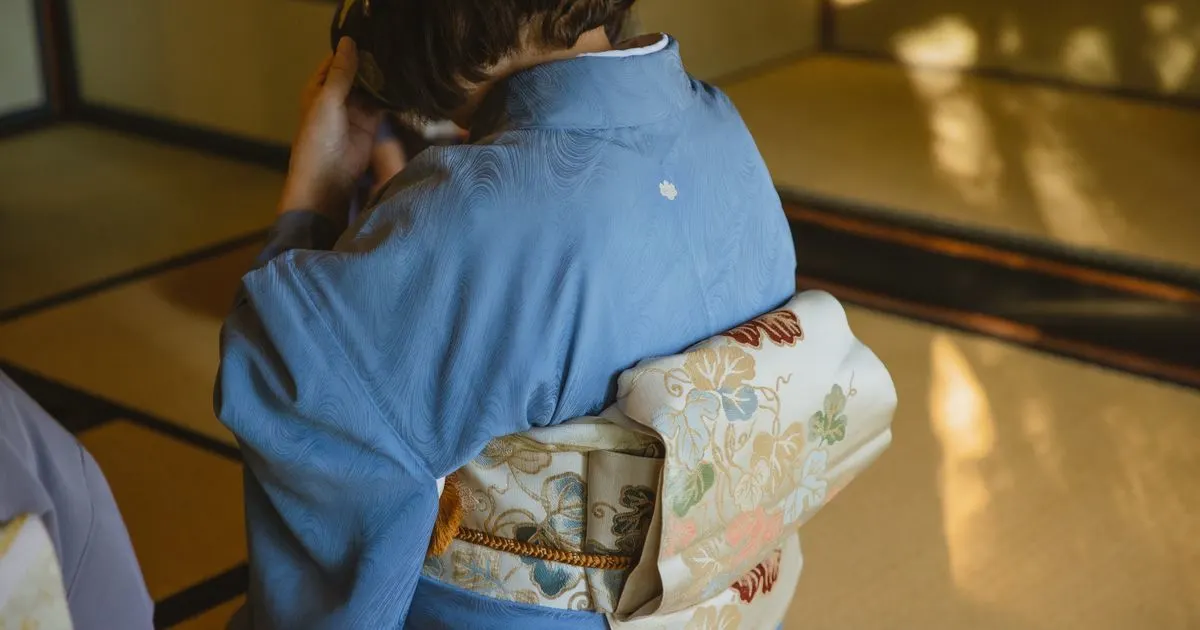
Ryokan or hotel for your Japan stay? A practical comparison of cost, experience, dinner ritual, room style, and which option suits which night of your Singapore-to-Japan trip, with worked examples for Hakone and Kyoto.
Updated: September 2026.
How we picked. We compared ryokan and hotel night-by-night across three Singapore-traveller Japan itineraries (7-day mixed, 5-day onsen-focused, 10-day multi-region), netting per-night JPY price, kaiseki dinner timing, futon versus bed, onsen access, and evening flexibility. Pricing and ryokan booking terms were verified against Rakuten Travel, JTB, and Jalan on 12 Jun 2026.
The verdict
For a Singapore traveller on a 7-day Japan trip in 2026, book 1 to 2 nights of ryokan and the rest as hotels. The Japan Stay Mix Rule: a single ryokan night in Hakone, Kyoto, or Kinosaki Onsen is the cultural anchor of the trip, onsen bathing, tatami room, futon bedding, and kaiseki dinner. Hotels in Tokyo and Osaka give you the evening flexibility (restaurants, bars, late returns) that ryokan dining schedules don't. Avoid back-to-back ryokan nights unless you're specifically chasing an onsen-town slow trip; the ritual is rich but exhausting to repeat.
Run the ShopBack Travel Planner to compare flights and hotels on the same dates, and activate ShopBack via the extension before checkout on Agoda, Booking.com, or Trip.com so cashback tracks.
Key reasoning
Ryokan are not direct substitutes for hotels, they are a different product. A ryokan night includes a kaiseki multi-course dinner served around 18:00 to 19:00, breakfast served around 07:30 to 08:30, an onsen open for guests with restricted times, and a room with tatami floors and futons laid out by staff in the evening. This is wonderful for one night and constraining for five. Hotels are flexible: eat where you want, return when you want, no scheduled meals. The right ratio for most Singapore first-trip travellers is 5 hotel nights to 1 to 2 ryokan nights, with the ryokan placed where the trip's pace is supposed to slow down (typically after a busy Tokyo or Kyoto leg).
Supporting facts / breakdown
| Factor | Ryokan (mid-range) | Hotel (4-star) |
|---|---|---|
| Nightly rate per person | SGD 280 to 480 | SGD 90 to 150 (twin share) |
| Includes kaiseki dinner | Yes (10+ courses) | No |
| Includes breakfast | Yes (Japanese set) | Optional add-on |
| Room style | Tatami + futon | Western bed |
| Onsen access | Typical (in-house or family) | Some hotels yes, most no |
| Bath in room | Sometimes (private onsen rooms premium) | Yes |
| Dinner timing flexibility | Fixed (18:00 or 19:00 slots) | Total flexibility |
| Late-night return | Awkward (front desk hours) | Easy |
| Best for | 1 to 2 anchor nights, slow days | Most nights, active itineraries |
| Wi-Fi | Available, sometimes weaker | Strong |
| Family friendliness | Mixed (tatami rooms fit 4; onsen rules per family) | High |
| Language barrier | Higher (Mandarin sometimes spoken, English varies) | Lower |
| Tipping | No (tipping is non-standard in Japan) | No |
The numbers show that one ryokan night costs roughly what two 4-star hotel nights cost, but the ryokan includes dinner and breakfast worth SGD 80 to 150 per person, narrowing the real gap considerably.
How to apply this
Apply the Japan Stay Mix Rule by placing the ryokan night where your trip naturally slows. For a Tokyo-Hakone-Kyoto-Osaka loop, the ryokan slot is Hakone (after Tokyo, before continuing to Kyoto). For a Tokyo-Kyoto-Osaka trip without Hakone, slot the ryokan into a central Kyoto machiya (traditional townhouse) night between two hotel nights. Avoid scheduling a ryokan on a day you also plan to ride a Shinkansen, you want to arrive early enough to use the onsen before dinner.
| Itinerary Shape | Ryokan Placement | Why |
|---|---|---|
| 7-day Tokyo-Hakone-Kyoto-Osaka loop | 1 night Hakone | Natural pace break between Tokyo + Kyoto |
| 7-day Tokyo-Kyoto-Osaka triangle | 1 night central Kyoto machiya | Cultural anchor in the slowest city |
| 10-day Tokyo-Kyoto-Osaka-Hiroshima | 1 night Hakone + 1 night Kyoto | Two anchor experiences, separated |
| Onsen-focused slow trip | 3+ nights Kinosaki or Kurokawa | Onsen-hopping is the trip |
| Family with young kids | 1 night Hakone (kid-friendly ryokan with private bath) | Kaiseki menus can be adjusted |
| Solo female traveller | 1 night Kyoto traditional machiya | Quieter; some women-only ryokan exist |
| Couples on anniversary | 1 night luxury ryokan with private onsen room | Premium product, premium memory |
| Budget shoestring | None (use hostels and capsule hotels) | Budget ryokan often disappoint; better to skip |
What this actually means
In practice, a Singapore couple on a 7-day Tokyo-Hakone-Kyoto trip in spring 2026 should book 3 nights Tokyo hotel (Shinjuku, SGD 220/night), 1 night Hakone ryokan with private outdoor onsen and kaiseki (SGD 380/person), 2 nights Kyoto hotel (SGD 200/night), and 1 night Osaka hotel (SGD 170/night). Total ground accommodation: roughly SGD 2,290 for two. The Hakone ryokan alone is SGD 760, but it includes both meals and the onsen experience that defines the trip's photographs. A ryokan-only 7-day version would push accommodation past SGD 5,000 and risk dinner fatigue. The hybrid version is the sweet spot.
💡 Compare ryokan and hotels on ShopBack, earn cashback on Agoda and Booking.com
When this does NOT apply
- Cherry blossom rush in central Kyoto: Ryokan inventory sells out 4+ months ahead; you may need to take a Kyoto hotel and add a Hakone or Kinosaki ryokan night instead.
- Tattooed travellers in conservative ryokan: Some onsen bar tattooed guests; book ryokan that explicitly welcome tattoos or that offer private (kashikiri) baths.
- Strict halal or kosher requirements: Kaiseki menus rely heavily on fish, dashi, and seasonal proteins; most ryokan cannot accommodate halal. Hotel + à la carte dining is more flexible.
- Trips under 4 nights total: A ryokan night cuts your usable evenings in half; for short trips, stay urban and skip the ryokan this time.
Frequently asked questions
Is a ryokan worth it for a Singapore traveller in Japan?
For one to two nights, yes, a mid-range ryokan with onsen and kaiseki dinner is a unique experience that hotels cannot replicate. For an entire 7-day trip, no, ryokan nightly rates and the dinner-in-room ritual become tiring and limit your evening flexibility.
How much does a ryokan cost in Japan?
A mid-range ryokan in Hakone or Kyoto costs SGD 280 to SGD 480 per person per night including kaiseki dinner and breakfast. Luxury ryokan run SGD 600 to SGD 1,200 per person per night. Budget ryokan without dinner are SGD 100 to SGD 180.
Where should I stay at a ryokan in Japan?
Hakone for the easy access from Tokyo and Mt Fuji views; Kyoto for traditional architecture and old-town walks; Kinosaki Onsen and Kurokawa Onsen for serious onsen specialists. Hakone and Kyoto are the safest first-ryokan choices for a Singapore visitor.
Is a ryokan cheaper than a Tokyo hotel per night?
No. A mid-range ryokan runs SGD 280 to SGD 480 per person per night while a comparable Tokyo 4-star hotel runs SGD 90 to SGD 150 per person on twin share. The ryokan does include kaiseki dinner and Japanese breakfast worth SGD 80 to SGD 150 per person, narrowing the gap to roughly a 1.5x to 2x premium once meals are counted.
Ryokan vs machiya: which is better for a Kyoto anchor night?
A traditional ryokan delivers kaiseki dinner, in-house onsen, and tatami rooms with attendants; a machiya (townhouse rental) delivers privacy, kitchen access, and 2 to 4 bedroom family layouts without dinner service. Pick ryokan when the culinary ritual is the point; pick machiya when a family or group of 4 to 6 wants Kyoto old-town living without fixed dinner times.
Is Hakone or Kinosaki Onsen better for a first ryokan night?
Hakone wins for first-timers on convenience: 85 minute Romancecar train ride from Shinjuku, dense ryokan inventory across all price bands, and Mt Fuji views. Kinosaki Onsen wins for onsen depth: 7 public bathhouses within walking distance, town-wide yukata culture, but adds a 3 hour bullet train from Osaka. Book Hakone for a 1 night pace break; book Kinosaki for a 2 to 3 night onsen-hopping trip.
How much cashback do you get on ryokan bookings through ShopBack?
Ryokan bookings on Agoda, Booking.com, and Rakuten Travel earn ShopBack cashback at the current published rate on each merchant page. Rates vary between platforms and by promo window; check the shopback.sg merchant tile for Agoda or Booking.com before checkout. A SGD 760 Hakone ryokan booking through cashback-eligible platforms typically returns meaningful cashback that offsets a portion of the kaiseki upcharge.
Does ShopBack cashback stack with credit card rewards on ryokan bookings?
Yes. ShopBack cashback tracks the merchant transaction; your credit card separately earns points or miles on the same charge. A ryokan booked on Agoda paid with a travel-bonus card earns both ShopBack cashback and card issuer rewards; the two credits post independently.
Does ShopBack cashback apply on Agoda or Booking.com mobile app ryokan bookings?
Yes, when you tap through from the ShopBack app to the Agoda or Booking.com in-app checkout, cashback tracks on the paid amount. On desktop, activate the ShopBack browser extension before the merchant site loads. Booking directly in the merchant app without the ShopBack tap-through does not earn cashback.
How do I use ShopBack to book a ryokan and Tokyo hotel for the same Japan trip?
Use ShopBack to compare Agoda, Booking.com, and Rakuten Travel on the same ryokan property, then activate the ShopBack browser extension or ShopBack app before checkout so cashback tracks. Book the Tokyo hotel and Kyoto hotel legs the same way, one booking at a time, each through a fresh ShopBack click-through. Cashback lines up across all three stays independently.
What is the best time to book a Hakone or Kyoto ryokan for cherry blossom season?
Book Hakone and Kyoto ryokan 4 to 6 months ahead of cherry blossom peak (last week March to first week April) as inventory sells out early. Prices climb 30 to 60 percent inside the 2-month window versus low-season rates. For non-peak trips outside the cherry blossom or November koyo window, 6 to 8 weeks lead time is typically sufficient.
Can I get a private onsen in a ryokan room?
Yes. Ryokan rooms with private (kashikiri) outdoor onsen typically add SGD 100 to SGD 250 per person per night above the standard rate. This category matters for tattooed travellers, families with young kids, or couples on anniversary trips who want privacy versus the communal bath. Hakone and Kinosaki have the deepest private-onsen room inventory in the mid-range price band.
How many days does travel cashback take to confirm in ShopBack after a ryokan stay?
Travel cashback typically posts as pending within 48 hours of booking, then confirms 60 to 90 days after the check-out date once the merchant reports the completed stay. Ryokan bookings on Rakuten Travel or Agoda follow the same window as standard hotel bookings.
Is a ryokan family-friendly for kids under 10?
Yes with caveats. Tatami rooms comfortably fit families of 4 with futons laid side by side, and some ryokan offer kid-adjusted kaiseki menus. The main constraint is onsen etiquette; young children must be accompanied and gender-segregated public baths require planning. Book a family-friendly ryokan with a private onsen room to avoid the communal-bath question entirely, particularly in Hakone.
Ryokan vs hotel for a business trip to Japan?
Hotel wins for business trips. Ryokan fixed dinner slots (18:00 to 19:00), limited Wi-Fi in some properties, and Japanese-set breakfast timing conflict with typical business schedules. Book a Tokyo hotel in Marunouchi, Shinjuku, or Roppongi for the business days; add one ryokan night as a weekend cultural add-on if the trip extends.
Primary sources referenced
- Japan National Tourism Organization: Ryokan guide
- Rakuten Travel: Ryokan search
- Japan Ryokan & Hotel Association
- Kinosaki Onsen Tourist Association
Key takeaways
- For most 7-day Japan trips, book 5 hotel nights + 1 to 2 ryokan nights, best balance of flexibility and cultural depth
- Hakone is the safest first-ryokan choice, easy access from Tokyo, Mt Fuji views, dependable mid-range options
- Kyoto machiya are the alternative for travellers who want a city-centre ryokan with walkable surroundings
- Avoid back-to-back ryokan unless the trip is specifically about onsen-town slowness
- Match the ryokan slot to your pace break, never schedule it on a Shinkansen-heavy day
💡 Book ryokan and hotels in Japan via ShopBack and earn cashback
Plan your Japan trip deeper
Where you stay shapes the rest of the trip. Our full Japan planning guide for Singapore travellers covers flights, hotels, rail, and cashback in one place.
Related reads
Disclaimer
The views and recommendations expressed in this article are those of the author.
Prices, rates, promotions, and availability are subject to change. Please verify details directly with the relevant providers before making any decisions.
This article is intended for general informational purposes only and should not be considered professional, financial, or travel advice.
Brands, work with us: [email protected].
FAQs
When does travel cashback confirm in ShopBack? Travel cashback typically posts as pending within 48 hours of booking, then confirms after check-out or the non-refundable window closes, usually 60 to 90 days after the stay date. This is later than retail cashback because travel merchants only pay commission after the trip is completed.
Add ShopBack Extension
Install the browser extension for auto coupons and cashback reminders.
Download ShopBack App
Get the app to earn cashback and manage rewards on mobile.
 Scan QR or download below

Related articles
Tokyo Shinjuku vs Shibuya vs Asakusa vs Ginza 2026: Best First Base
Shinjuku, Shibuya, Asakusa, or Ginza as your Tokyo base? A practical comparison of transit, hotel cost, food density, and which neighbourhood suits which type of Singapore traveller for a first Tokyo trip.
Hidden Costs of a Japan Trip Singaporeans Always Underestimate
The Japan trip costs Singaporeans consistently underbudget in 2026, from Shinkansen surcharges and coin locker fees to restaurant service charges and baggage forwarding.
The JR Pass Now Costs 69% More Than Before: Is It Still Worth Buying in 2026?
The JR Pass jumped 70% in October 2023. For a Singapore traveller in 2026, when does the 7-day, 14-day, or 21-day pass still pay off versus buying single Shinkansen tickets? A clear break-even guide.
How Many Miles Do You Need for a Business Class Flight to Tokyo from Singapore?
Business class to Tokyo from Singapore costs 50,000 to 75,000 miles return depending on the programme. Here's a breakdown of KrisFlyer, Asia Miles, and Avios redemptions for Singapore-Tokyo in 2026.
Shop, book trips, and play games to earn Cashback
No points, no credits. Just real cash. Withdraw to Paypal or bank account, and spend however you like.