Blog
Hidden Costs of a Japan Trip Singaporeans Always Underestimate

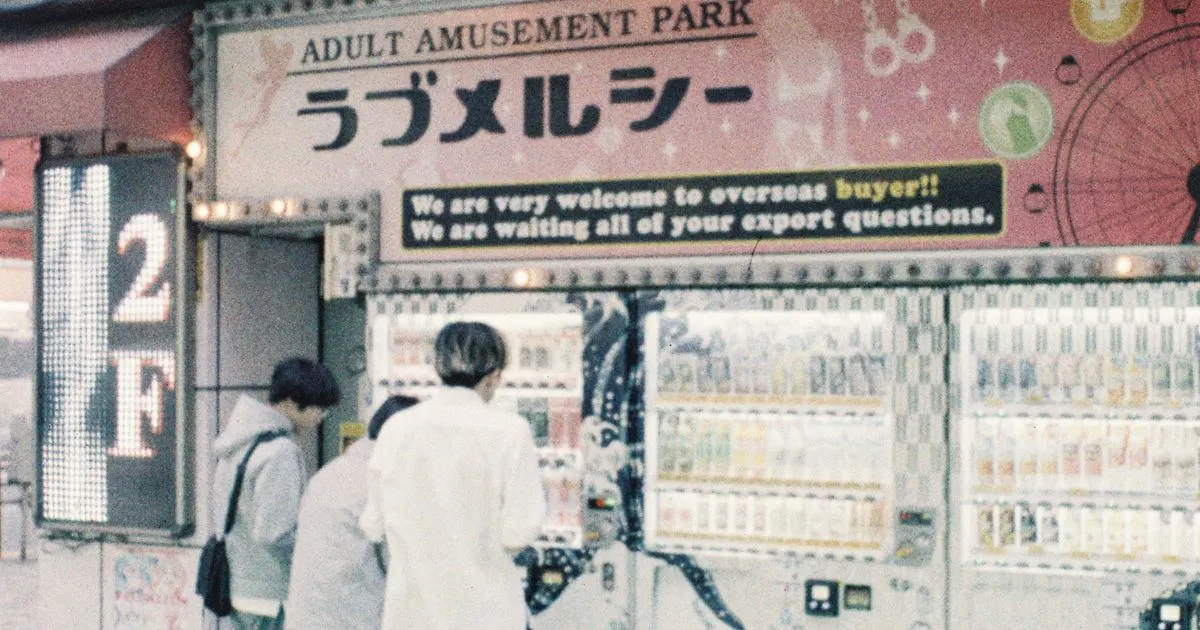
The Japan trip costs Singaporeans consistently underbudget in 2026, from Shinkansen surcharges and coin locker fees to restaurant service charges and baggage forwarding.
You have probably budgeted the big lines for your Japan trip, flights, hotels, the rail pass, and assumed the rest is pocket change. Then the konbini runs, izakaya cover charges, coin lockers, and luggage forwarding quietly stack up. None of these are surprises once you know to expect them; here is where the money actually leaks.
The verdict
Most Singaporeans budget well for Japan's headline costs, flights, accommodation, JR Pass, but underestimate a cluster of recurring small costs that collectively add SGD 200-500 to a 7-day trip. The most impactful hidden costs are: convenience store and vending machine purchases (easy to spend JPY 2,000-4,000/day), restaurant otoshi cover charges (JPY 300-600 per person per sitting at izakayas), baggage forwarding between cities (SGD 15-25 per bag per leg), and Shinkansen reserved seat fees. These are predictable and budgetable once you know to look for them.
Why the budget gap happens
Japan's hidden costs are hidden not because they're unexpected in hindsight, but because most trip planning resources focus on headline categories. The Japan Budget Gap is the difference between what travellers plan to spend and what they actually spend, research across Singaporean travel communities consistently shows a SGD 200-400 gap on a 7-day trip. The single biggest contributor is not a surprise expense but a systematic underestimation of daily convenience costs: Japanese convenience stores (7-Eleven, FamilyMart, Lawson) are stocked better than most Singapore cafés, and it's almost impossible not to spend JPY 1,500-3,000 per day on onigiri, drinks, snacks, and meal items.
The hidden costs, line by line
| Hidden Cost | Typical Amount | Notes |
|---|---|---|
| Convenience store / vending machine spend | JPY 1,500-4,000/day (SGD 14-36) | Per person; extremely easy to overspend |
| Restaurant otoshi (izakaya cover charge) | JPY 300-600/person/meal (SGD 3-5.50) | Automatic at most izakayas; non-optional |
| Shinkansen reserved seat surcharge | JPY 1,000-2,500/trip (SGD 9-22) | JR Pass holders still pay this on some express services |
| Nozomi/Mizuho supplement (on top of JR Pass) | JPY 4,960/trip Tokyo-Shin-Osaka (SGD 45) (Japan Rail Pass) | Since Oct 2023, JR Pass holders can ride the fastest Tokyo-Osaka trains by paying a flat supplement, not the full fare |
| Baggage forwarding (takuhaibin) | JPY 1,600-2,500/bag/leg (SGD 15-23) | Yamato Transport; needed for multi-city trips with luggage |
| Coin locker rental | JPY 300-700/day (SGD 3-6.50) | At major stations; fills up fast during peak season |
| IC card minimum balance requirement | JPY 500 deposit + JPY 500 min (SGD 9) | Lost IC cards are not refundable |
| Onsen / sentō entry fees | JPY 500-1,500/person (SGD 4.50-14) | Not usually in activity budgets |
| Temple/shrine entry fees | JPY 300-1,000/site (SGD 3-9) | Adds up across a Kyoto day trip |
| Taxi reliance in bad weather | JPY 1,500-3,000/ride (SGD 14-27) | Necessary when subway exits are 15-min walks in rain |
The numbers show that a 7-day Japan trip with daily convenience store spending at JPY 2,000 and 3 izakaya dinners with otoshi adds approximately SGD 200-270 in costs not included in standard trip budgets.
Building your hidden-cost buffer
Add a Japan Hidden Cost Buffer to your trip budget: SGD 200-300 for a solo 7-day trip, SGD 350-500 for a couple. This buffer covers convenience store spend, otoshi charges, a few coin lockers, one or two unplanned taxi rides, and any temple fees not in your planned itinerary. Apply the buffer as a single unallocated pool, it will be used.
| Trip Length | Solo Buffer | Couple Buffer | Key Drivers |
|---|---|---|---|
| 5 days | SGD 150-200 | SGD 280-380 | Convenience store, otoshi, temple fees |
| 7 days | SGD 200-300 | SGD 380-500 | All of above + baggage forwarding if multi-city |
| 10 days | SGD 300-450 | SGD 550-750 | All of above + more onsen, coin lockers |
| Multi-city (Tokyo + Osaka) | Add SGD 60-100 | Add SGD 100-200 | Baggage forwarding, extra Shinkansen surcharges |
What this looks like on a real trip
In practice, this means a couple on a 7-day Tokyo + Kyoto trip who budgeted SGD 1,800 per person will realistically spend SGD 2,100-2,300 once hidden costs are included. A concrete itemisation of what generates that SGD 300-500 gap: 7 days of convenience store spending at JPY 2,500/day/person = JPY 17,500 (SGD 158); 4 izakaya dinners with JPY 500 otoshi = JPY 4,000 (SGD 36); 2 baggage forwarding legs = JPY 5,000 (SGD 45); 3 temple/shrine entries per day in Kyoto = JPY 9,000 (SGD 81); 2 taxi rides in rain = JPY 5,000 (SGD 45). Total: approximately SGD 365 per person not in the standard budget.
When this does NOT apply
- Tokyo-only trips without multi-city travel: Baggage forwarding costs drop out entirely; the hidden cost buffer reduces to SGD 150-200 for a 7-day solo trip.
- Travellers with strict no-convenience-store discipline: The single largest hidden cost category is entirely avoidable for travellers who meal-plan deliberately, though most visitors find it nearly impossible to resist Japanese konbini.
- Non-izakaya diners: Travellers who avoid izakayas and stick to ramen shops, sushi conveyor belts, and set-lunch restaurants avoid otoshi charges entirely.
- JR Pass holders travelling only on Hikari/Kodama Shinkansen: The Nozomi exclusion doesn't apply if you always take the slower Hikari trains, this adds 20-40 minutes Tokyo-Osaka but eliminates the surcharge.
Frequently asked questions
What are the most underestimated costs of a Japan trip for Singaporeans?
The most commonly underestimated Japan trip costs are: Shinkansen reserved seat surcharges (JPY 2,000-3,000 per trip not covered by JR Pass), baggage forwarding between cities (SGD 15-25 per bag), vending machine and convenience store spending (easily JPY 2,000-4,000/day), and restaurant otoshi (cover charges of JPY 300-600 per person).
Does the JR Pass cover all Shinkansen trains?
No, the JR Pass does not include the Nozomi and Mizuho trains on the Tokaido-Sanyo Shinkansen (the fastest Tokyo-Osaka services) for free, but since October 2023 pass holders can ride them by paying a flat supplement of about JPY 4,960 between Tokyo and Shin-Osaka, rather than buying a full separate ticket.
How much do taxis cost in Tokyo vs subway?
Tokyo taxis start at JPY 500 (SGD 4.50) and cost JPY 100 per 255m thereafter, a 5km journey costs approximately JPY 2,000-2,500 (SGD 18-22), compared to JPY 200-300 (SGD 1.80-2.70) for the same journey by subway.
Key takeaways
- Add a SGD 200-300 hidden cost buffer per person to any Japan trip budget, it will be spent on convenience stores, otoshi, and unplanned temple entries
- The JR Pass does not cover Nozomi or Mizuho Shinkansen trains, always check which train you're boarding before assuming pass coverage
- Baggage forwarding (Yamato Transport) costs SGD 15-25 per bag per leg, essential for multi-city itineraries, but budget for it explicitly
- Izakaya otoshi (cover charges) are automatic and non-negotiable; factor JPY 300-600 per person per izakaya visit into your dining budget
💡 Book your Japan trip on Trip.com through ShopBack to earn cashback on every booking
Disclaimer
The views and recommendations expressed in this article are those of the author.
Prices, rates, promotions, and availability are subject to change. Please verify details directly with the relevant providers before making any decisions.
This article is intended for general informational purposes only and should not be considered professional, financial, or travel advice.
Brands, work with us: [email protected].
Add ShopBack Extension
Install the browser extension for auto coupons and cashback reminders.
Download ShopBack App
Get the app to earn cashback and manage rewards on mobile.
 Scan QR or download below

Related articles
Is the JR Pass Still Worth It in 2026, and Where Is It Cheapest?
The JR Pass costs about 70% more since October 2023. When the 7, 14 or 21-day pass still beats single Shinkansen tickets for Singapore travellers in 2026.
Tokyo Shinjuku vs Shibuya vs Asakusa vs Ginza 2026: Best First Base
Shinjuku, Shibuya, Asakusa, or Ginza as your Tokyo base? A practical comparison of transit, hotel cost, food density, and which neighbourhood suits which type of Singapore traveller for a first Tokyo trip.
How Many Miles Do You Need for a Business Class Flight to Tokyo from Singapore?
Business class to Tokyo from Singapore costs 50,000 to 75,000 miles return depending on the programme. Here's a breakdown of KrisFlyer, Asia Miles, and Avios redemptions for Singapore-Tokyo in 2026.
Regular Suica Is Gone for Singaporeans in Tokyo: 2026 Alternatives
Suica, Pasmo or Welcome Suica: which IC card Singaporeans should get for Japan in 2026, with fees, availability, refunds and when each card makes sense.
Shop, book trips, and play games to earn Cashback
No points, no credits. Just real cash. Withdraw to Paypal or bank account, and spend however you like.