Blog
Fast Fashion vs Investment Pieces: 3-Year Real Cost in Singapore 2026

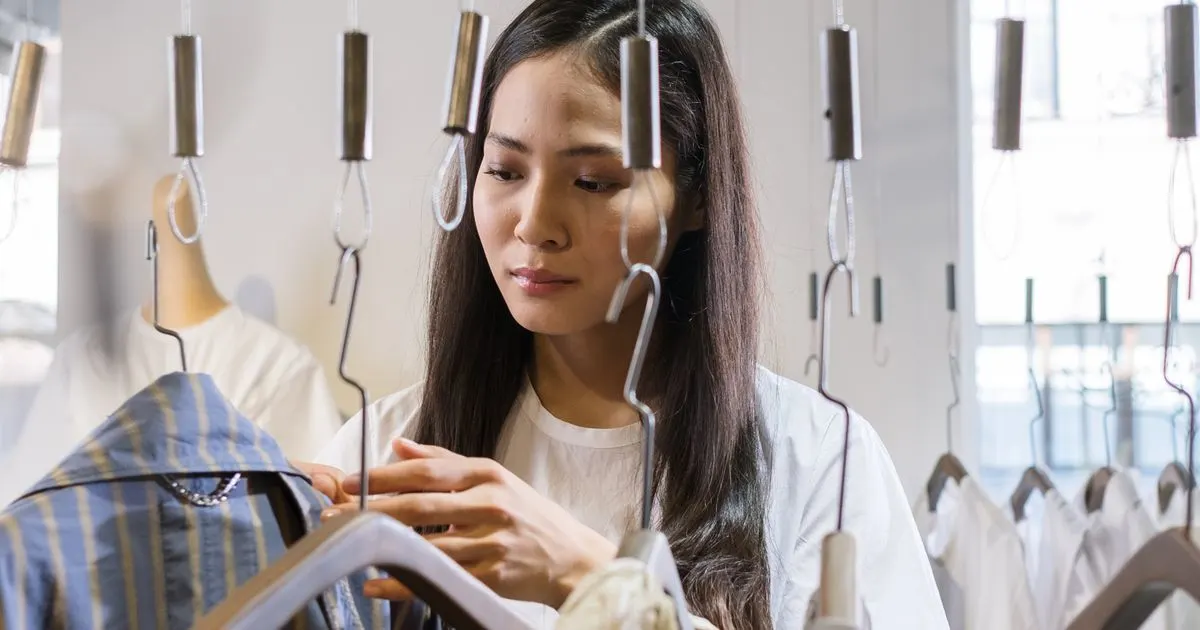
A 3-year total cost comparison of fast fashion vs investment pieces for Singapore shoppers in 2026, using real spend scenarios and cost per wear analysis.
That $19 top feels like a steal until you've rebought it three times. The real question isn't fast fashion versus investment pieces in the abstract, it's how many times you'll actually wear something before it falls apart or falls out of favour. Here's what the three-year maths looks like for a Singapore wardrobe.
The verdict
For Singapore shoppers who wear the same wardrobe consistently, investment pieces (SGD 60-200 per item) are cheaper than fast fashion (SGD 15-50 per item) over a 3-year window, total spend on investment pieces runs roughly 25-30% lower due to replacement frequency. This holds for office workers with stable body size and style preferences. The exceptions are trend items worn fewer than 20 times, shoppers going through body size changes, and maternity clothing where longevity is intentionally limited.
Why the cheaper tag often costs more
You spend less per item on fast fashion but replace the wardrobe 2-3 times as often.
Investment pieces are more impactful over time because the total replacement cost of a fast fashion wardrobe (SGD 400-600 per cycle × 2-3 cycles = SGD 800-1,800) exceeds the one-time cost of a quality wardrobe (SGD 900-1,300 lasting 3 years).
Fast fashion matters more for trend-specific items because no investment piece equivalent exists, you cannot buy a "quality" version of a seasonal micro-trend that will look dated in 8 months.
The 3-Year Wardrobe Cost Rule: if you plan to wear an item more than 40 times in 3 years, the investment piece is cheaper. Below 40 wears, fast fashion wins on total spend.
The numbers, over three years
| Scenario | Fast Fashion (3-Year Total) | Investment Pieces (3-Year Total) | Investment Saves |
|---|---|---|---|
| 10-piece core wardrobe, office worker | SGD 1,400-1,800 (replaced every 14 months) | SGD 1,000-1,300 (one replacement cycle) | SGD 400-500 |
| Casual weekend wardrobe (6 pieces) | SGD 600-900 (replaced every 18 months) | SGD 500-700 (lasts full 3 years) | SGD 100-200 |
| Trend-only wardrobe (10 pieces) | SGD 800-1,200 | N/A (investment logic doesn't apply) | Fast fashion wins |
| Workwear blazer (single item) | SGD 49 × 2 replacements = SGD 98 | SGD 119 × 1 = SGD 119 | Break even |
The numbers show that the investment case is strongest for complete core wardrobes, the cumulative savings reach SGD 400-500 over 3 years, but for individual low-use items, fast fashion breaks even or wins.
How to decide, item by item
Use investment pieces when the item is worn at least 3 times per week and you do not expect a style change within 18 months.
Use fast fashion when the item is trend-driven, occasion-specific, or you are in a transitional life phase (weight change, new job dress code, pregnancy).
| Scenario | Investment Piece | Fast Fashion | Reason |
|---|---|---|---|
| Daily work trousers | Yes | No | Worn 150+ times in 3 years; investment easily wins |
| Seasonal trend top | No | Yes | Worn <20 times; investment spend cannot be recouped |
| Work blazer, stable style | Yes | No | One SGD 120 blazer outlasts 2-3 SGD 49 fast fashion versions |
| Maternity clothing | No | Yes | Limited lifecycle by design; fast fashion is rational |
| Going-out dress for regular use | Yes | No | Worn 40+ times over 2 years; investment piece cost-per-wear is lower |
What this means for your wardrobe
In practice, this means a Singapore office worker spending SGD 500/year on Zara basics replaces their wardrobe roughly every 14 months, spending SGD 1,500 over 3 years. The same worker spending SGD 1,100 once on Uniqlo and COS core pieces has a wardrobe that lasts 3 years, saving approximately SGD 400.
A typical trade-off is: SGD 49 Zara blazer (replaced twice in 3 years = SGD 98) vs SGD 119 Uniqlo blazer (once in 3 years), the investment piece costs SGD 21 more, so it roughly breaks even and saves one replacement shopping trip.
When this does NOT apply
- Shoppers with rapidly changing style: If you overhaul your aesthetic every 12-18 months, investment pieces become liabilities, you stop wearing them before they wear out.
- Trend-driven pieces (micro-trends): No investment-level alternative exists for items tied to a 6-month fashion cycle. Fast fashion is the rational choice.
- Maternity or transitional sizing: The investment logic requires stable sizing over 3 years. Maternity clothing, post-pregnancy recovery, or deliberate weight-loss wardrobes should use fast fashion.
- Workwear in physical or outdoor roles: Roles involving physical wear on clothing accelerate degradation past the point where investment pieces recoup their premium.
- Shoppers who enjoy variety and change outfits frequently: High variety shopping is a valid preference, but the economics of investment pieces do not apply, this is a lifestyle choice, not a rational cost-per-wear decision.
Frequently asked questions
Is fast fashion actually cheaper than investment pieces over 3 years?
No, a fast fashion wardrobe costs SGD 1,400-1,800 over 3 years vs SGD 1,000-1,300 for investment pieces, making quality clothing roughly 25-30% cheaper long-term for most Singapore office workers.
When does fast fashion make financial sense for Singapore shoppers?
Fast fashion is rational for trend items worn fewer than 20 times, maternity clothing, and transitional sizing phases where investment pieces cannot recoup their premium.
What counts as an investment piece for Singapore's climate?
In Singapore's context, an investment piece is any item worn 80+ times over 2-3 years without visible degradation, Uniqlo core basics, COS structured pieces, and quality denim typically qualify.
Can I use ShopBack Singapore with member prices at Uniqlo, ZALORA and H&M, whether I lean fast fashion or investment?
Usually, yes. Sign into your Uniqlo, ZALORA or H&M Member account so member pricing shows in your cart, then go through ShopBack (the app or shopback.sg) to the store before you check out so the purchase is tracked. Each store's ShopBack page lists its terms, including any exclusions, and the live Cashback rate. This works the same way whether the basket is a low-cost fast-fashion refresh or a few higher-priced investment pieces.
How do I count actual wears per piece so I know whether a Uniqlo tee or a COS coat is on track for the 3-year investment maths?
The simplest method is a monthly wardrobe audit: at the end of each month, jot each item's wear count in your Notes app or a shared Google Sheet, then divide the item price by cumulative wears to get running cost per wear. A Uniqlo Airism tee at S$19.90 hitting 30 wears sits at S$0.66 per wear (on track for the 80-plus wear investment bar). A COS wool coat at S$220 hitting 15 wears over one Singapore aircon season sits at S$14.67 per wear (needs 2 more seasons to justify). For replacement orders, go through ShopBack before you check out at Uniqlo, ZALORA, Shopee or Lazada so the Cashback lands in your ShopBack wallet. Check the live rate on each store's ShopBack page.
How do I use ShopBack when buying from these fashion merchants?
Start at ShopBack before you buy: open the store's ShopBack page (for example Uniqlo, ZALORA or COS) to see the live Cashback rate, then go through ShopBack via the Cashback Buddy extension on desktop or the ShopBack app on mobile before the merchant checkout so the purchase is tracked.
Key takeaways
- If an item will be worn 40+ times in 3 years, the investment piece is cheaper, the 3-year cost rule applies
- If an item is trend-driven or worn fewer than 20 times, fast fashion wins on total spend
- For a 10-piece Singapore office wardrobe, investing once in mid-range quality saves SGD 400-500 over 3 years vs repeated fast fashion replacement
- Maternity, transitional sizing, and rapid style changes are legitimate exceptions where fast fashion is the correct choice
💡 Whichever approach fits your wardrobe, shop ZALORA through ShopBack
Disclaimer
The views and recommendations expressed in this article are those of the author.
Prices, rates, promotions, and availability are subject to change. Please verify details directly with the relevant providers before making any decisions.
This article is intended for general informational purposes only and should not be considered professional, financial, or travel advice.
Add ShopBack Extension
Install the browser extension for auto coupons and cashback reminders.
Download ShopBack App
Get the app to earn cashback and manage rewards on mobile.
 Scan QR or download below

Related articles

Zara vs Uniqlo vs COS Basics Singapore 2026: Cost Per Wear Test
A practical durability and cost-per-wear comparison of Zara, Uniqlo, and COS for Singapore shoppers in 2026, covering fabric quality, longevity, and real value over time.

Zalora vs ASOS vs Shopee Fashion: Where Do Singaporeans Actually Get Better Deals? (2026)
Zalora, ASOS and Shopee Fashion compared for Singapore shoppers in 2026 on pricing, delivery and returns, with the use cases where each platform actually wins.

How to Build a Work Wardrobe in Singapore for Under $500 (2026)
A practical, Singapore-specific guide to building a functional work wardrobe for under SGD 500 in 2026, with a prioritised shopping list, brand picks, and a spend breakdown.
Outlet vs Full-Price vs Resale: Where Do You Actually Save on Fashion in Singapore? (2026)
A direct comparison of outlet, full-price retail, and resale channels for fashion savings in Singapore in 2026, with real price examples and a decision framework for each shopper type.

Shop, book trips, and play games to earn Cashback
No points, no credits. Just real cash. Withdraw to Paypal or bank account, and spend however you like.